Carbon footprint stories
Wattcost urges NSW Premier Berejiklian to bolster support for Australia's innovation sector during a tour of their new Sydney startup facility.
Vertiv has achieved ISO 14001:2015 certification for environmental management across its ANZ offices and warehouses, enhancing its sustainability credentials.
Much has been said of the environmental impact of data centres, and now NEXTDC is looking to do its part in curbing its own contribution.
NEXTDC achieves a milestone, becoming Australia's first carbon neutral data centre operator by partnering with Qantas Future Planet for carbon offset credits.
VMware has achieved carbon neutrality two years ahead of schedule, through a combination of energy efficiency initiatives and renewable energy projects.
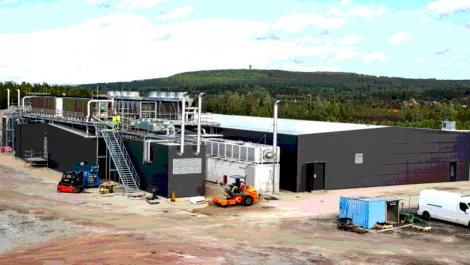
EcoDataCenter will be launching its new facility in Sweden that not only has no carbon emissions, but also promotes the reduction of them.
Australia's National Energy Resources Australia will provide $4.8m in funding for eight clean technology projects in the energy sector.
Government procurement may soon favour firms able to prove their contribution to wellbeing, putting traditional industries under pressure to adapt.
Pragmatic solutions are needed to cut waste, trim compliance costs and keep safety goals intact as prescriptive rules prove too rigid.
The Oakey beef plant has cut natural gas use and wastewater odours, with biogas output now helping to offset drought-hit operating costs.
Melbourne office tenants could soon get the city’s first premium timber tower, with GPT aiming to complete the Frame project in late 2021.
Families in Washington will soon have a third funeral option after state lawmakers approved transforming human remains into soil for gardens.
Businesses are cutting landfill charges and transport costs as a Sydney plant turns commercial food waste into fertiliser and green energy.
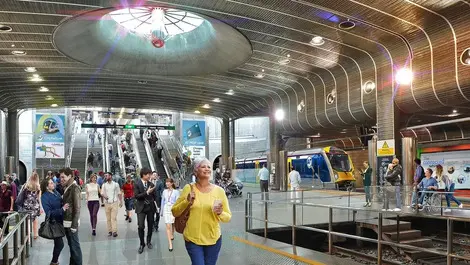
Auckland’s rail link has cut construction waste and emissions sharply, showing big infrastructure can hit sustainability targets while easing congestion.
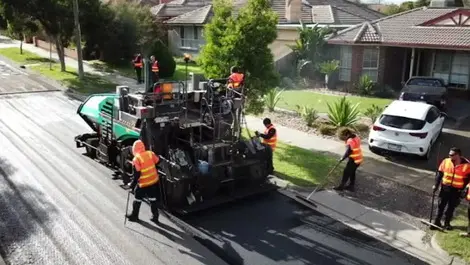
Craigieburn motorists could soon drive on a 300-metre test road made from 200,000 plastic bags and 63,000 glass bottles.
Bitcoin mining is already drawing billions of gallons of freshwater a year, raising fresh questions about who pays for its hidden costs.
Cities could cut treatment costs and recover water, nutrients and carbon by replacing end-of-pipe sanitation with nature-based systems.
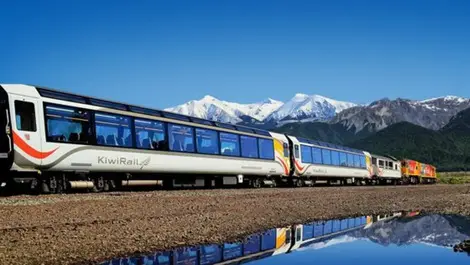
The rail operator plans to measure and report emissions, while shifting more freight off roads could cut New Zealand's annual output by 518,000 tonnes.
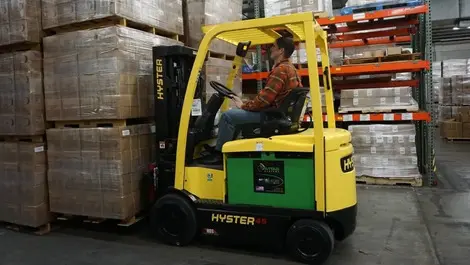
Customers could cut forklift downtime to minutes as hydrogen fuel-cell models promise cleaner operations and quicker refuelling at Australian sites.
Larger New Zealand businesses and public bodies will get help cutting bills and carbon under a revamped training course.