Carbon footprint stories
Apple commits to becoming carbon neutral by 2030, reducing carbon footprints of every device sold to zero in 10 years.
The projects in China, Australia, and the U.S. will total 615 MWh. Comes as Amazon criticised for conditions and lack of paid sick leave in U.S.
After being named in the FTSE4Good Index yet again, the company has outlined how it makes social responsibility a core tenant of its vision.
Australian businesses grapple with data management amid rapid growth, budget constraints, and security challenges, reveals Digital Realty survey.
HPE, academia and industry have launched a data centre efficiency label to decarbonise data centres and significantly reduce their energy consumption.
CarbonClick CPO, Jan Ivar Czaplicki, has been named International Michael Page Innovator of the Year for 2019.
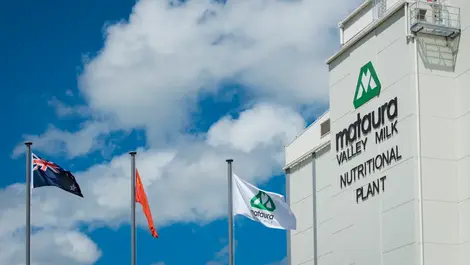
Quality controls and flexible production have helped a South Island dairy plant hit world-class hygiene results and win export approvals.
A New Zealand dairy plant is already beating hygiene benchmarks, with microbial results far below accepted limits after its first season.
Global cooperation and heavy state intervention would favour low-carbon infrastructure, while fossil-fuel projects and greenfield builds are marginalised.
Timber towers are moving from experiments to major city landmarks, with projects in Toronto, Oslo, Rotterdam and Tokyo set to test the limits.
Recycling plants are cutting contamination and costs as nearly 100 AI-powered machines take over the tedious sorting humans often get wrong.
Investors may pour more money into low-carbon projects this year, but election outcomes and climate shocks could still slow decarbonisation.
Rising visitor numbers are putting New Zealand’s lakes, tracks and towns under strain, with a watchdog warning current policy will not curb damage.
Mass timber is opening up faster, cheaper projects across Australia, with new code changes and local supply widening its use beyond niche builds.
Rural farms could cut power bills and earn extra income as a new on-site biogas and solar system turns waste into electricity and fertiliser.
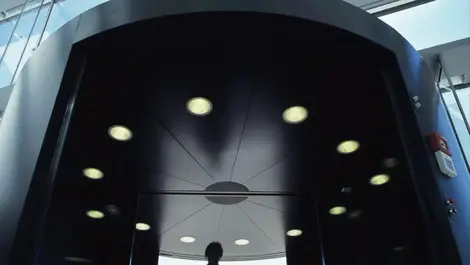
Larger office buildings could cut heating and cooling costs as revolving doors curb air loss and drafty chimney effects, experts say.
Sensors, drones and automation are reshaping building upkeep, with smarter systems promising lower costs and better occupant comfort.
Insect bioconversion could turn millions of tonnes of food waste into animal feed, biodiesel and packaging materials, while cutting emissions.
New draft carbon standards and a new expo zone will give New Zealand building owners practical steps towards net zero by 2050.
Kiwi startup ZeroC is revolutionising electric transport with zero carbon services, already reducing 160 KG of CO2 and aiming for nationwide expansion.