Carbon footprint stories
BAI Communications Australia has announced a target of reaching net-zero emissions by 2040 as part of its Towards Carbon Neutral (TCN) program.
With the world heating up, the challenge of keeping data centres cool becomes more complex, expensive and power intensive.
Salesforce has introduced the Net Zero Marketplace to make carbon credit purchases simple and transparent, aiming to scale the climate-positive impact.
SoftIron has joined the Sustainable Digital Infrastructure Alliance (SDIA), a platform designed to help the digital sector reduce its environmental impact.
92% of companies aim for net-zero targets by 2030, but lack the resources and knowledge to implement sustainable tech, says Accenture.
Technology's share of the world's carbon footprint is set to reach 14% by 2040. Accenture has outlined key areas of impact to create sustainable change.
Honeywell's new Carbon - Energy Management service helps building owners track energy performance against carbon goals.
Schneider Electric announces two new offerings to tackle building sustainability and efficiency while also enhancing occupant comfort.
ABB says its new microgrid solutions will get data centers ready for the green revolution and use their own energy sources with a reduced carbon footprint.
SoftIron's CMO, Andrew Moloney, discusses sustainable data center solutions and trends in this Power/Energy feature.
Gartner's research shows cloud sustainability, measuring carbon footprints and advanced grid management software will become crucial for businesses.
Konftel has strengthened its climate-neutral ethos after securing official certification for the third year in a row.
The agreement marks a key step for Fujitsu Australia in decarbonising its operations and providing lower-emissions services to its customers.
ABI Research has found that hardware optimisation promises up to 70% improvement in 5G power consumption as networks reach scale in many developed nations.
Alibaba Group has pledged to achieve carbon neutrality by 2030, with a focus on digitization and green practices. #ClimateAction #Sustainability.
Amazon Web Services (AWS) has launched the AWS customer carbon footprint tool to help businesses calculate their carbon emissions and predict future changes.
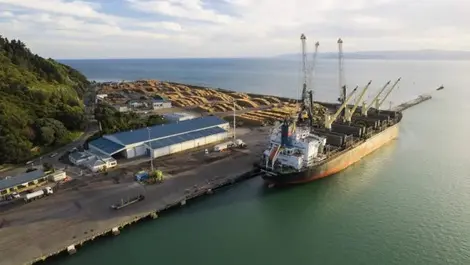
An alternative deck-on-pile design for Eastland Port's Wharf 7 has cut new piles by half and avoided 593 tonnes of carbon dioxide.
Tech firms are warning that rising demand for cloud services will worsen New Zealand’s shortage of skilled IT staff as hyperscale centres expand.
Kohler Power Systems has announced its diesel generators are compatible with Hydrotreated Vegetable Oil, a breakthrough in alternative fuel usage.
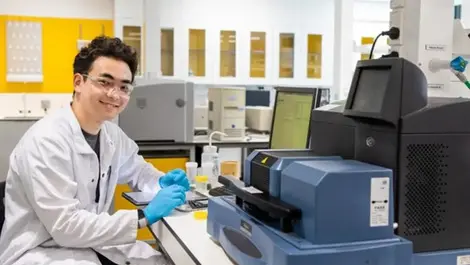
A Canterbury student’s low-cost wall panel could help cut the building sector’s emissions, with seaweed replacing traditional gypsum in plasterboard.