Climate resilience stories
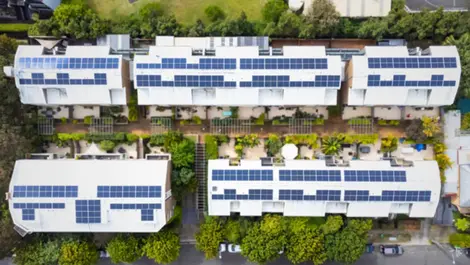
The Melbourne-designed system is already linked to more than 10,000 apartments, helping residents cut electricity bills by 30 to 40 per cent.
Apartment residents using the system have cut electricity bills by an average of 30 to 40 per cent, as it wins the 2026 top prize.
More than one in five Australians face significant vulnerability, with the new index tying the biggest risks to weak savings, insurance and superannuation.
Queensland's road network stands to gain from A$9 billion in works aimed at easing freight delays, crash risks and flood disruption.
Flooding and higher borrowing costs are sharpening scrutiny of how the IMF and World Bank will back vulnerable economies through debt and climate shocks.
By 2027, AI expansion is set to drive up power and water costs, while forcing tougher rules on data centre building and funding.
The new software aims to turn climate data into day-to-day choices on supply chains, sourcing and carbon budgets as disclosure rules tighten.
Renewables are leaving New Zealand well placed for data centres, but ABB says grid upgrades and smarter use of existing assets are needed.
Rising electricity costs had been squeezing the volunteer-run club's budget, but the new system should save NZD $9,338 a year.
Funding gaps leave Kaikōura's flood recovery reliant on regional rates, after the council's bid for Government help was knocked back.
Household water bills and service delivery will be shaped by Louise Miller's move to lead Hawke's Bay's new regional water entity.
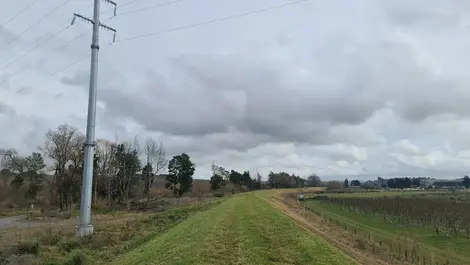
Flood protection for Ōmāhu is being strengthened after Gabrielle exposed gaps in the defences, with work due to finish by Christmas.
Older facilities may struggle as hotter summers, floods and grid strain threaten UK data centre uptime for essential services.
Northland residents could see the first open-ocean treated wastewater outfall in over a decade, with final approvals due before year-end.
Ratepayers are set to fund the first stage of the long-delayed $11.6 million repair, after demolition plans triggered a 6,000-name protest.
The proposed AI hub in Bhubaneswar will gain industry backing and mentoring support as Blue Cloud commits INR 4 crore to the project.
Most UK businesses are feeling climate hits to sales, but only 5% have fully measured the financial damage, Capgemini says.
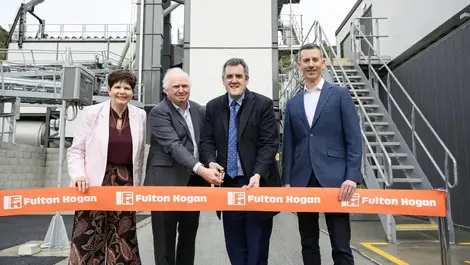
Capacity constraints in Wellington should ease as a 200-tonne-an-hour plant boosts asphalt supply for roads, ports and airports.
Voters are being asked to weigh party plans on transport, water and energy as Infrastructure New Zealand pushes infrastructure up the election agenda.
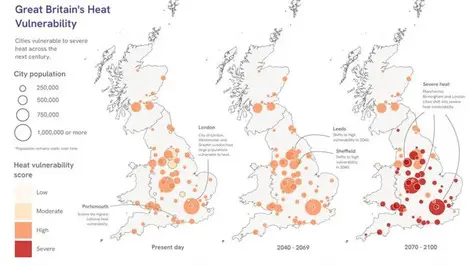
Cities across Great Britain face worsening heat risk, with Portsmouth already most exposed and all 71 projected to be highly vulnerable by 2040.