Solar power stories
The Lithgow plant's environmental upgrades have earned state recognition after AUD $30 million of investment cut gas use and boosted solar power.
As rooftop solar, batteries and EVs strain low-voltage networks, the meters aim to give utilities real-time visibility at the grid edge.
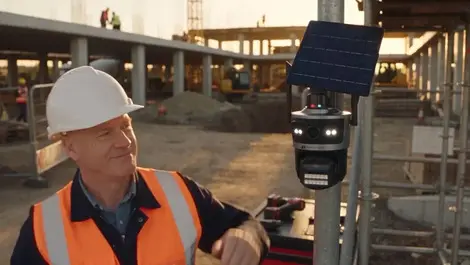
Remote sites without mains power or Wi-Fi can now use a solar 4G AI unit that spots intruders and warns them off in seconds.
Demand for US-made bidirectional systems is growing as data centres and battery storage projects need more flexible power management.
Australia risks leaving $242 billion of infrastructure work short of labour, with shortages already threatening delivery and driving up costs.
Attackers could exploit gaps in connected energy devices and grid links unless utilities, manufacturers and regulators improve practical resilience, experts said.
With grid connections stretching into the 2030s, developers are being forced to rethink data centre viability before sites can even be built.
Auckland businesses will gain more colocation capacity next year, as the New Zealand-owned operator adds a second site on the North Shore.
Australia has awarded AUD $3.6 million to a quantum-backed forecasting project that could help operators manage rising household energy complexity.
The new equipment line could help construction and infrastructure customers cut worksite emissions and save up to $25,000 a year.
The scheme is set to link a data centre with offshore wind, solar and storage, boosting grid support while backing a €4.2 billion Wicklow investment.
Rising power bills and emissions pressure are driving the scheme, which aims to cover 100MW of supplier rooftops within two years.
The combined group will expand service for commercial and utility-scale customers across New Zealand and the Pacific after the acquisition closes.
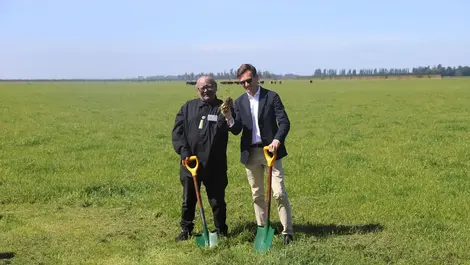
Sheep will keep grazing beneath the panels as the 42-megawatt project gives a Canterbury farmer a second income stream and helps feed the grid.
The listing brings fresh capital and about 10,000 new shareholders to a solar business planning to expand across New Zealand's power market.
Opponents' concerns over glare, views and property values were eased after consent for the Waipara project was trimmed by 25 percent.
Renewed appetite for new equity issues in New Zealand is set to be tested by the solar developer's first major float in about five years.
Monthly power bills at Ōwae Marae in Taranaki jumped from $400 to $2000 after a solar project was over-specified.
The 1GW scheme could bring 750 construction jobs and 450 permanent roles to a former nuclear site near Annan if approved.
The deals broaden Lodestone's business customer base as more New Zealand firms seek renewable power and firmer control over electricity bills.