Property Market stories
Buildings may get longer deadlines as ministers weigh safety against the cost of seismic upgrades and mortgage pressure on owners.
Auckland and Wellington weakened again in May as high mortgage rates and plenty of listings kept the national housing market subdued.
Buyer interest has cooled across New Zealand, with searches per listing down 10.4% as high rates and recession fears deter house hunters.
Higher costs now are prompting borrowers to favour one-year deals, even as CoreLogic says that bets on lower mortgage rates are building.
More listings and higher sales in March suggest New Zealand’s housing slump has passed its low point, with buyers gaining choice.
A glut of listings and high borrowing costs are keeping prices flat, with Auckland edging lower and buyers enjoying more choice.
High mortgage rates and weak sales are keeping the housing market subdued, even as CoreLogic sees prices rising about 5% this year.
Record demand for New Zealand government bonds suggests ministers could borrow cheaply to tackle a $100 billion infrastructure gap.
More homes are coming to market, but cautious buyers and slower winter-style activity have kept January sales below expectations.
New Zealand’s housing recovery gathered pace last quarter, with national average prices up 2% and only Invercargill recording a fall.
Lower interest rates and firmer buyer-seller pricing are expected to lift commercial property sales after a weak 2022-23.
Central Otago Lakes District’s average asking price has jumped 19.3% year on year, underscoring a lifestyle-driven surge in regional demand.
Sales activity picked up in December as lower days to sell and firmer prices signalled the property market may be moving into a more positive phase.
Falling asking prices and fewer new listings pushed the total value of homes for sale down nearly a quarter, data from realestate.co.nz showed.
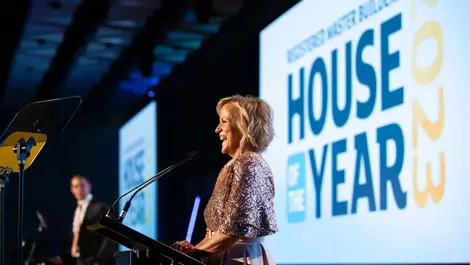
Five Paerata Rise builders placed in the top 100 nationwide, with Capital Homes taking first at the 2023 Registered Master Builders Awards.
National new listings fell to a 16-year low in December, but Coromandel bucked the trend with a 21.9% rise.
Sales and new listings jumped in November, with REINZ saying the housing market is showing signs of renewed confidence ahead of Christmas.
New data show annual rent growth hit 6.1% in October, as tight supply and strong migration keep pressure on tenants.
More vendors returned to the market in November as government and OCR certainty lifted buyer confidence and steadied asking prices.
Demand for prime office, industrial and retail space kept rents rising in Auckland, Wellington and Christchurch in the third quarter.