PC Market stories
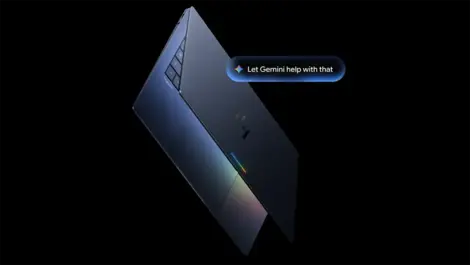
A new premium 14-inch laptop is aimed at Australian buyers needing Gemini features, Android integration and up to 18 hours of battery life.
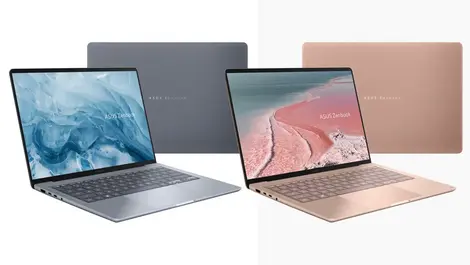
Buyers face a premium ultraportable option with up to 33 hours' battery life and AI-ready chips, as ASUS expands its range locally.
The new models are 11% thinner and up to 16% lighter, giving small firms portable work PCs with basic security and broader port options.
Australian buyers can now pay AUD $2,499 for Asus's anniversary handheld, which adds an OLED screen and revised controls at the top of the Ally range.
Australian buyers are weighing convenience against control as desktop PC demand rises, with local warranties and faster access swaying choices.
Its push into on-device AI on Windows PCs aims to woo creators and gamers while reducing reliance on cloud services for everyday tasks.
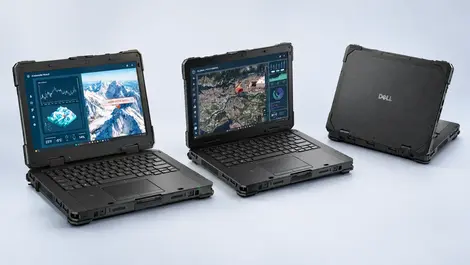
The new models aim to give utilities, emergency crews and factory teams tougher, better-connected kit for work away from the office.
Priced from USD $899, the machine aims to make artificial intelligence a default part of everyday laptop tasks and workflows.
Windows users with RTX GPUs can now run more AI agents locally, cutting setup friction and keeping sensitive work off the cloud.
Rising memory and storage costs are pushing prices higher, threatening European PC shipments as buyers delay refreshes.
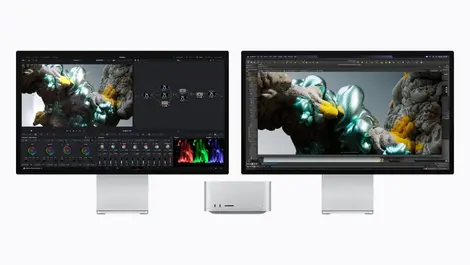
Faster on-device AI and new connectivity are now central to Apple's smallest desktop, with models aimed at creators and developers.
New AI tools and faster media workflows are the focus as the updated desktop adds M5 Max and M5 Ultra chips plus Wi-Fi 7.
Retailers risk missing a lucrative SME market, as business buyers pay far more for notebooks than households and demand pricier, work-ready devices.
Business buyers in Australia can now get a 0.99kg 14-inch Copilot+ PC from AUD $3,399, with local AI tools and 26-hour battery life.
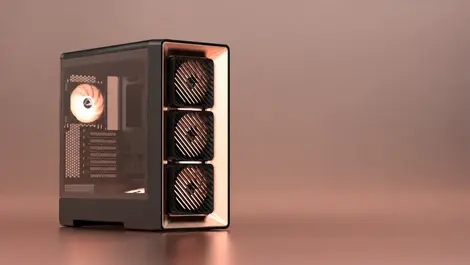
Built for enthusiasts with large graphics cards, the mid-tower starts at USD $89.99 and gives Formula V Line a first US retail foothold through Newegg.
Enterprise buyers in Saudi Arabia will get a locally hosted AI PC from September 2026, alongside Adobe's shift to sovereign workloads.
Lower operating costs and foreign exchange gains helped offset softer sales, leaving net profit up to NZD $2.34 million as assets grew.
Lower costs and a tax benefit lifted Acer Computer New Zealand's annual profit, even as revenue held steady at NZD $26.55 million.
Users could face less browser choice in workplaces as the UK competition regulator examines whether Microsoft steers business software customers towards Edge.
System designers and OEMs gain longer-term supply and support as Kingston adds industrial memory and SSDs for harsher, high-uptime deployments.