

SMEC AI opens Pathfinder to 1,500 Australian founders
Mon, 14th Sep 2026 (Today)
SMEC AI has opened applications for the fifth cohort of its AI Pathfinder program, targeting more than 1,500 applicants.
The free, eight-week online course is aimed at Australians who want to bring AI products to market to solve business problems. It is open not only to technology founders, but also to people already working in an industry or running a business.
If it reaches its target, the latest intake would be the largest free AI founder program run in Australia. SMEC AI operates as an AI Adoption Centre under the Australian Government's AI Adopt program.
Four earlier cohorts produced 502 graduates. The new round reflects a broader push to encourage more Australians to build businesses on top of AI tools rather than focus solely on underlying infrastructure.
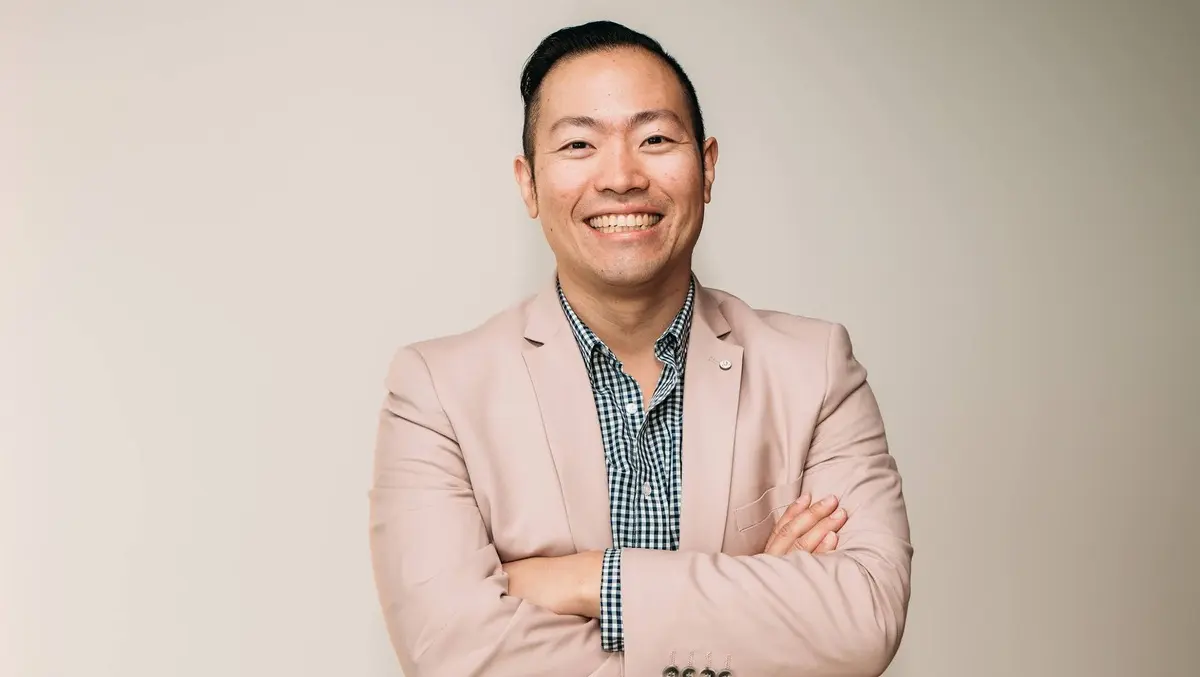
Andrew Lai, Managing Director, SMEC AI, said the program was designed to address a gap in the market for people with industry expertise who may not see themselves as technology founders.
"The Government has been clear that Australia should be a nation of makers and not just takers. There has never been a better time for Australians to build," Lai said.
"With that said, you no longer need to be a technologist to start an AI company, you just need to have domain knowledge. Australia has hundreds of thousands of people who know a problem worth solving inside out and have never once thought of themselves as a founder. That is the gap Pathfinder was built for, and it is why we are opening it as wide as we can this time," he said.
Economic case
The launch comes as policymakers and businesses weigh the economic gains from broader use of artificial intelligence. Research by EY-Parthenon found in August 2026 that AI could raise Australia's GDP by between AUD $95 billion and AUD $116 billion over the next decade and support a net gain of between 36,000 and 44,000 jobs, provided organisations have the skills to use it.
That skills gap is particularly relevant for smaller businesses. Small and medium-sized enterprises account for more than 97 per cent of all Australian businesses and are the least likely to have AI expertise in-house.
Pathfinder focuses on practical product development rather than classroom instruction. Participants build a minimum viable product, use current AI tools, test ideas with customers, hold customer conversations and pitch an AI startup.
Lai drew a distinction between Pathfinder and many other courses on the market.
"Most AI programs either teach theory or sell tools," he said.
"Pathfinder does neither. Over eight weeks people build something, speak to real customers, and find out whether it works. Some of them come in with an idea and leave with a business. Others find out in week three that the idea was wrong, which is also worth eight weeks of anyone's time," he said.
The program is delivered by Amir Nissen, Head of Programs, and Lai. It targets operators and specialists who know industry pain points first-hand but may have little formal technical training.
Founder feedback
Past participants said the course helped them sharpen both their networks and their understanding of customer needs.
Annette Andersen, Founder of aXai, joined Pathfinder as a self-taught developer building accessible technology for people with complex disabilities.
"I normally would go into a situation like that and listen and never meet anybody, but I networked with heaps of people very fast," Andersen said.
"It was the sort of stuff that you won't get in a university course," she said.
Biplab Das Choudhury, who runs Melbourne-based Valueztech, said the program changed how his business approached product development for asset-intensive sectors including utilities, gas and water.
"We used to think of a problem we had faced and try to create a solution around it, but it is not always my problem, it is somebody else's problem," Choudhury said.
"The Pathfinder program helped us think about what a customer problem looks like, and look at it from the customer's lens," he said.
The latest cohort adds to a growing number of initiatives aimed at helping Australian businesses turn AI interest into commercial products. In this case, the emphasis is on founders who sit closer to end users and industry workflows than to core model development.
Pathfinder is intended for people who understand a business problem in depth and want to test whether that knowledge can form the basis of a viable AI product.