Workforce development stories
Skills shortages, weather damage and rising costs are squeezing construction firms as Waihanga Ara Rau outlines priorities for the next 18 months.
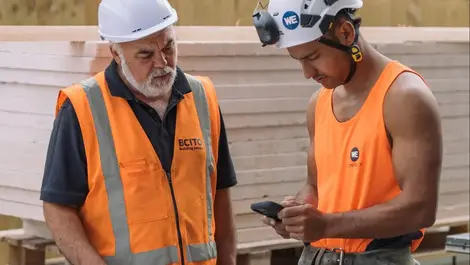
Job-seekers can now gain entry-level trade skills in months as BCITO and Waihanga Ara Rau roll out five new construction micro-credentials.
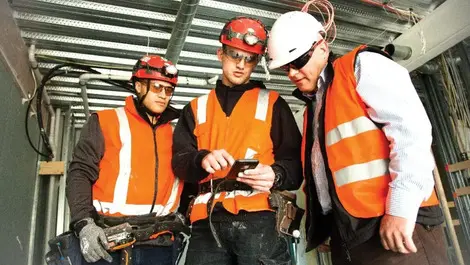
Demand for qualified electricians has seen 103 Whitireia and WelTec graduates snap up apprenticeships across Wellington and beyond.
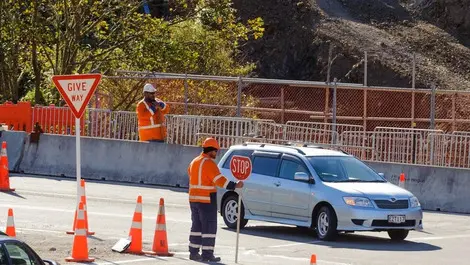
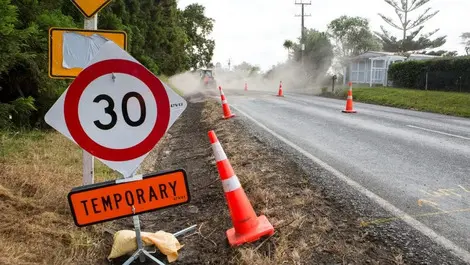
Road workers could soon gain formal recognition, as a new credential framework links temporary traffic control training to NZQF qualifications.
Cloud-based collaboration could ease infrastructure skills gaps by letting firms tap overseas talent while keeping local engineers involved in global work.
Manufacturers risk losing contracts and output as a government report warns the labour gap could top 40,000 workers by 2028.
Skills shortages are slowing growth across New Zealand's $18.8 billion tech sector, despite easier visa access for overseas talent.
Industry says the response is only a first step, as ministers face pressure to turn a 30-year plan into concrete infrastructure action.
School leavers could miss out on 2,000-plus training options, with fire detection apprenticeships offering paid skills and no debt.
Road contractors face new duties as New Zealand shifts temporary traffic management from compliance rules to risk-based controls.
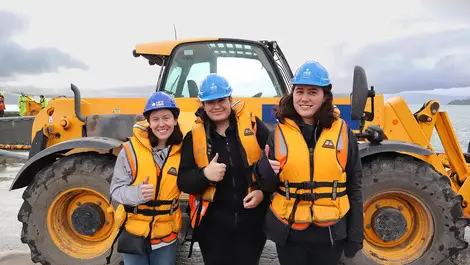
With 44,000 extra workers needed, New Zealand infrastructure firms are courting schoolgirls to fill trade and technical shortages.
Digital tools are becoming vital as the industry fights a skills shortage and tries to lure younger, tech-savvy workers.
Her research on resilience and workforce challenges is set to bolster governance as BRANZ seeks better outcomes for Aotearoa New Zealand's building sector.
Additional funding will help Te Pūkenga support almost 50,000 trainees and apprentices as demand for vocational skills rises across New Zealand.
Only 55% of employees say skills development is a priority, widening a gap that could hurt performance and growth in the years ahead.
Local and central government backing will decide whether New Zealand's 30-year infrastructure strategy turns recommendations into real projects.
New Zealand risks missing its infrastructure build-out unless it creates clearer entry points and training for civil construction workers.
The civil construction lobby will have a new voice on training, immigration and safety when Alan Pollard takes over as Chief Executive in January.
Technology could cut waste and carbon emissions in construction as firms tackle delays, labour shortages and rising budget blowouts.
Job seekers in Manawatū will start a six-week infrastructure course in November, with trainees employed by firms from day one.