Incident Response stories
Internal testing is already cutting security response times from 40 minutes to seven, as Interactive prepares to sell the same AI methods to customers.
Rising scam losses are pushing Australian firms towards stronger payment and login controls as regulators prepare tougher enforcement.
The documentary's global rollout will take its account of cyber attacks on vital services to more than 30 cities, including Sydney.
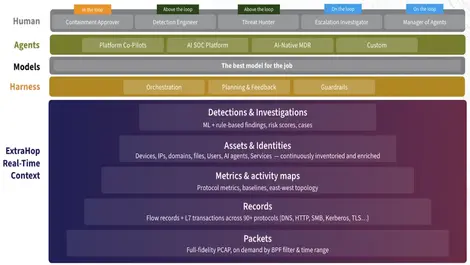
Security teams face wider blind spots as ExtraHop's new sensor brings full inspection of 400 Gbps data centre traffic to RevealX.
It is aimed at firms that want AI agents to update records and trigger workflows without losing oversight or audit trails.
Customers can now buy TrendAI's security tools against existing AWS spend, as Marketplace sales hit USD $1 billion globally.
Routine cyber tasks are being automated, while employers face higher demand for staff who can judge risk, oversee AI tools and respond to incidents.
Rising disclosure volumes are forcing security teams to predict which flaws attackers will exploit as FIRST broadens its vulnerability conference in Luxembourg.
Clients now want help across the full cyber attack lifecycle, as Forrester says incident response is moving beyond containment and forensics.
Small operators across Britain's power network may share the same weak points after the outage, experts warn, despite no grid-wide disruption.
Security teams could cut exposure faster as the model helps rank exploitable flaws and apply temporary defences before vendor fixes arrive.
Security teams could gain clearer incident evidence as ClickHouse brings its trace data expertise to AI agent forensics alongside NVIDIA.
Rising AI-driven attacks are forcing businesses to test recovery plans before breaches hit, executives say, as minutes now matter.
Breaches are rising as AI tools widen access inside firms, leaving security teams struggling to spot data flows that Zero Trust was built to limit.
Australia's new scams rules are adding pressure on firms to detect fraud faster as AI-powered attacks expose weak governance and identity controls.
Misconfigured models are giving attackers a fresh route into cloud systems, raising the risk of data theft and service compromise.
More than two-thirds of Singapore firms suffered a major cyber incident last year, sharpening demand for faster detection and response.
The tie-up will push AI defences into existing enterprise workflows as security teams try to monitor autonomous agents and limit risk.
A four-day shutdown at a UK energy site has intensified warnings that ageing infrastructure leaves critical national systems exposed to wider disruption.
Nearly 60% of big UK retailers reported AI security incidents last year as rapid adoption outpaced governance and risk checks.
















.webp)