


Oli has raised AUD $6.5 million in new funding to support clinical and regulatory work in Australia and the United States.
The Series A3 round was backed by Scale Investors, Clare Ventures and The University of Sydney. It follows a USD $1.8 million Series A2 round and a AUD $4.7 million Series A round, taking the company's private capital raised to AUD $13 million, alongside more than AUD $9.5 million in grants.
Clinical expansion
The Sydney-founded company is developing a wireless wearable device for use during labour that monitors both maternal and fetal signals. The latest funds will help complete pivotal clinical trials across seven sites in Australia and the United States, advance submissions to the Therapeutic Goods Administration and the US Food and Drug Administration, and establish manufacturing operations and headquarters in Australia.
Oli was founded in 2018 by mechatronic engineer Dr Sarah McDonald following what it described as the traumatic birth of her second child. The business says maternal and fetal monitoring has changed little in decades, with clinicians still relying on a limited set of biomarkers and assessments that may not be updated until complications have already emerged.
Predictive monitoring
The device uses 10 biosensors to collect physiological data from the mother and baby simultaneously while allowing movement during labour. That information is then processed through what Oli calls its Predictive Maternal-Fetal Signal technology, designed to identify early patterns linked to complications before they become emergencies.
Its first clinical focus is postpartum haemorrhage, or PPH, a condition involving excessive bleeding after childbirth. Oli says PPH remains one of the leading causes of maternal death globally and argues that earlier intervention could prevent most cases from becoming fatal.
According to the company, its system is designed to predict the onset of PPH before bleeding begins, rather than detect the condition only after major blood loss has occurred. It says early warning can be provided at least one hour before birth, and in some cases up to nine hours earlier.
Early clinical simulations completed in 2023 indicated the technology could improve clinical response times by up to 58 per cent and reduce severe interventions such as hysterectomies and blood transfusions by up to 50 per cent, according to Oli. Those findings are now being tested further through multi-site pivotal trials in Australia and the United States.
Funding milestone
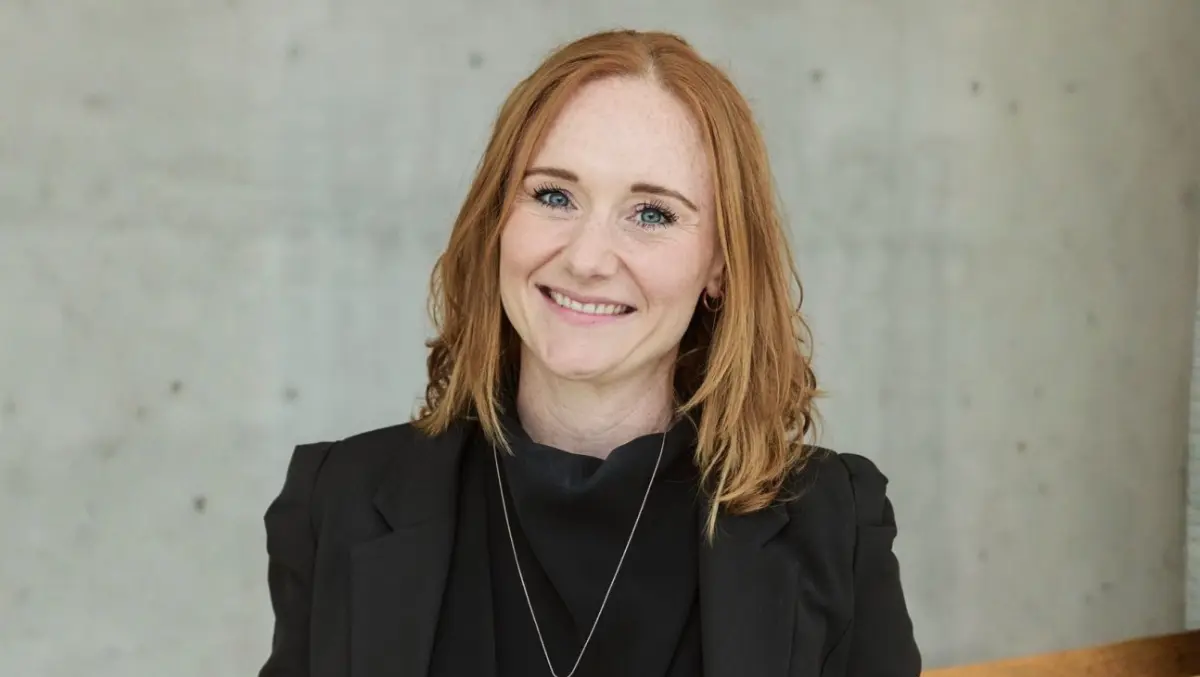
Tara Croft, Chief Executive, Oli, linked the raise to the company's effort to change how clinicians track risk during labour.
"This funding marks a significant step forward in our mission to improve maternal and fetal outcomes at scale. In birth rooms today, the monitoring meant to protect the room is failing the people in it. Losing contact with mother and baby, misfiring, and demanding constant attention from the team it was supposed to free. The care is there, the expertise is there, but what's been missing are the predictive signals, early enough, clear enough, and trusted enough to act on," said Croft.
Long-term vision
She described the product as a system designed to work without interrupting the birth process.
"Oli was built for everyone in the birth room, the mother and baby, the clinicians and the facility. It signals what's coming and when it's time to act, before an emergency arrives. But otherwise, it works quietly in the background, allowing each moment to unfold without interruption, resulting in a birth with less noise, more clarity and an experience that belongs to the people in the room," said Croft.
Each birth monitored by the device contributes data to Oli's Maternal Intelligence Platform, which is intended to improve prediction over time as more cases are added. The company says it eventually aims to analyse up to 15 conditions and complications across pregnancy and birth, including fetal distress, stillbirth risk and labour progression.
That ambition places Oli in a part of women's health technology drawing growing investor attention, particularly in areas where monitoring and diagnosis have changed little despite broader digital advances in healthcare. The dual-market approach also reflects the commercial importance of the US, where concern over maternal mortality has increased scrutiny of hospital practice and prenatal care.
"Birth is not a crisis to be managed, but it carries risks that deserve to be seen. All of them, in real-time. That's what Oli's predictive technology is achieving, no more blind spots in maternal and fetal care," added Croft.