

MobileMuster backs phone donations for abuse survivors
Tue, 26th May 2026
MobileMuster has donated AUD $30,000 to The Reconnect Project and is urging Australians to give unused working phones to the charity.
The funding will help refurbish and distribute 300 phones to people in need, including domestic violence victim-survivors.
The donation comes amid growing concern about technology-facilitated abuse in Australia, particularly in family, domestic and sexual violence cases. MobileMuster's research suggests about 23 million unused phones are sitting in drawers across the country, while support services say mobile devices are often both a tool of abuse and a means of escape.
Two in three Australian family, domestic and sexual violence practitioners say they see text messaging used to facilitate abuse. At the same time, almost one in five Australians remain digitally excluded, according to figures cited by the organisations.
This gap has made access to a safe device an immediate issue for women fleeing violence, as well as First Nations Australians, people experiencing homelessness, refugees and asylum seekers. The Reconnect Project refurbishes donated phones, tablets and laptops and distributes them through a network of more than 200 social service agencies, including women's refuges, youth outreach services, refugee support groups and mental health recovery services.
Since 2022, the Sydney-based organisation has received more than 7,690 donated devices and distributed 2,794 phones. Domestic violence is one of the top three reasons recipients need a device, accounting for 26% of all distributions.
MobileMuster's latest support adds funding to the supply of second-hand handsets. Devices donated but unable to be restored for use will instead be recycled through MobileMuster, linking social support with waste reduction.
Safety and access
For many victim-survivors, a replacement phone is not simply a communication tool. Existing handsets may be compromised by tracking, monitoring or other forms of digital surveillance, leaving people unable to contact emergency services, financial support providers or family members without risk.
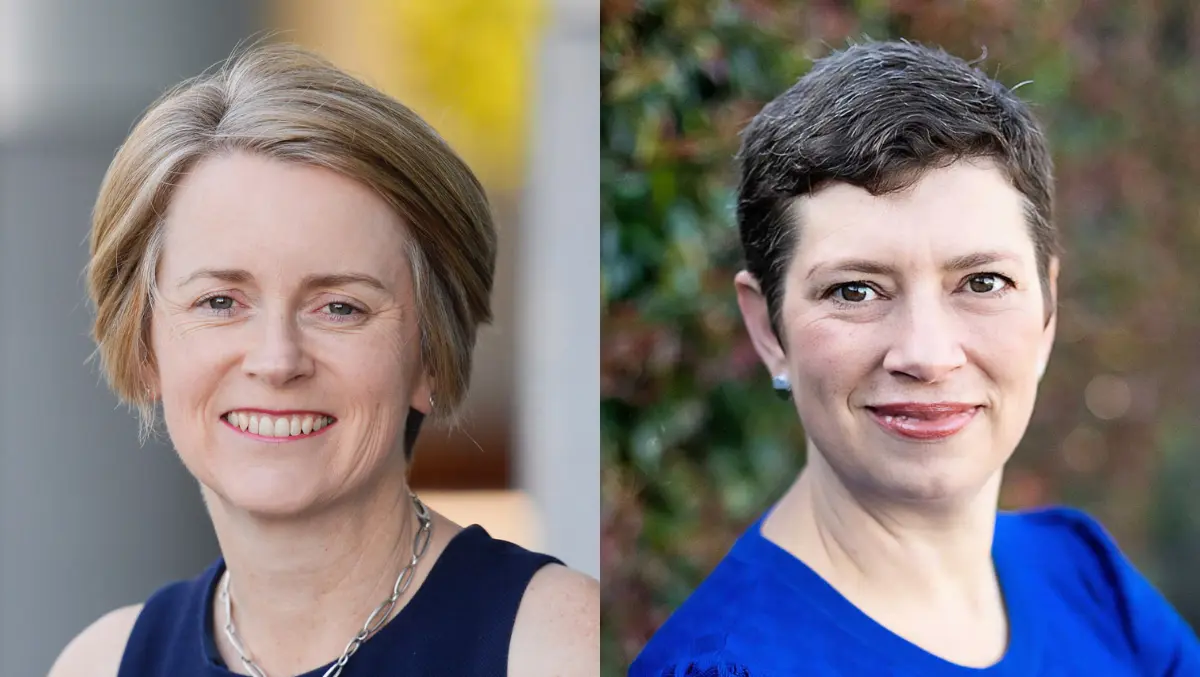
"For a woman fleeing violence, a phone isn't just a device, it's a direct line to safety. Every donated phone we receive has the potential to change a life. We are proud to partner with MobileMuster to get more devices into the hands of people who desperately need them. If you have an unused phone at home, please donate it. Your old phone could give someone the tools to start a new chapter," said Annette Brodie, founder and CEO of The Reconnect Project.
Kingsway Care, which provides emergency accommodation for women and children escaping violence, said the need for secure replacement devices is common among its clients.
"We provide phones through The Reconnect Project to many of our clients because their existing phones are often compromised by tracking or monitoring. A safe phone is more than a device, it's a vital lifeline that helps keep clients safe, connected and free from ongoing control," said Allen.
E-waste overlap
The campaign also highlights the scale of unused electronics in Australian homes. Australia is described as the world's fifth-largest producer of e-waste, with discarded electronics growing faster than any other waste stream.
In the current financial year, MobileMuster has collected 109 tonnes of mobile phone components. According to the organisation, that is equivalent to reducing global warming by 328 tonnes of CO2 emissions, conserving 461 tonnes of mineral resources, or planting nearly 5,000 trees.
The Australian Mobile Telecommunications Association manages MobileMuster as the telecommunications sector's product stewardship scheme. It is funded voluntarily by handset makers and network carriers and focuses on collecting and recycling mobile devices and accessories.
The broader policy backdrop is a federal budget commitment of more than AUD $4.4 billion to ending violence against women. Even so, organisations working in the area argue that technology-facilitated abuse remains under-recognised in the national response, despite the central role mobile phones now play in personal safety, banking, transport and access to government services.
The Reconnect Project also links its refurbishment work to employment and training for neurodivergent young adults, offering repair work and workshop experience to people who might otherwise struggle to enter the workforce.
"Australians have tens of millions of unused phones sitting in drawers. Donating old phones to organisations like The Reconnect Project is one of the most direct ways anyone can support people experiencing domestic violence. And for phones that can't be refurbished, MobileMuster will responsibly recycle them. 90% of a phone's embodied carbon emissions are created during manufacturing, so extending a device's life, or recycling it responsibly, is also a win for the environment," said Hyland.