

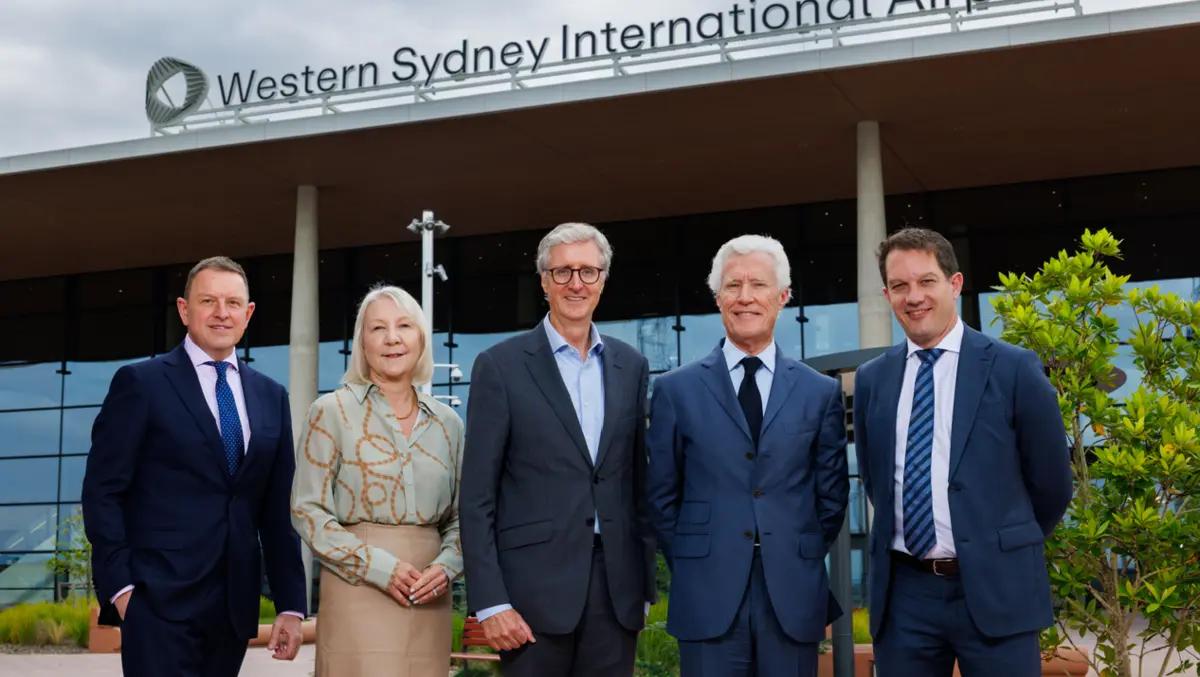
JCDecaux wins Western Sydney airport advertising deal
Thu, 9th Apr 2026
JCDecaux has won the outdoor advertising contract for Western Sydney International Airport, covering a digital advertising network at Sydney's new 24-hour airport.
The agreement gives JCDecaux a long-term presence at a major new aviation site due to open with capacity for 10 million passengers.
Under the contract, JCDecaux will build a digital out-of-home network across the airport precinct, spanning internal and external locations. The network will serve domestic and international travellers using the new airport, also known as Western Sydney International (Nancy-Bird Walton) Airport.
Western Sydney International is one of Australia's largest transport infrastructure projects and is central to plans for growth in the western part of Sydney. The airport says the region is already Australia's third largest economy, and the site is intended to expand over time as passenger numbers rise.
For JCDecaux, the win expands its airport advertising footprint across Australia and New Zealand. Airports remain a prized part of the out-of-home market because they offer access to affluent, time-rich audiences in controlled environments, making them attractive to consumer brands, financial services groups, travel companies and luxury advertisers.
The airport's first airline partners include Qantas and Jetstar for domestic services, as well as Singapore Airlines and Air New Zealand. Those early commitments offer some indication of the traveller mix advertisers may expect once services begin.
Long-term deal
David Watkins, co-chief executive officer of JCDecaux Australia and New Zealand, outlined the company's view of the project.
"Western Sydney International is one of the most important infrastructure developments in Australia. This long-term partnership gives us the opportunity to design a premium digital airport network from the ground up, one that complements an architecturally significant terminal and delivers exceptional outcomes for brands," Watkins said.
Co-chief executive Max Eburne linked the contract to the group's wider airport portfolio in the region.
"This win strengthens JCDecaux's airport leadership across Australia and New Zealand and enables us to offer advertisers unrivalled access to Sydney's airline traveller audience across our airport portfolio. As Western Sydney grows, WSI will become a critical gateway creating an exciting new platform for brands seeking scale, premium context and impact," Eburne said.
The partnership will give companies access to travellers at a site designed to serve both domestic and international routes. Western Sydney International is being developed as a 24-hour airport, setting it apart from Sydney's existing main airport and likely shaping freight, passenger scheduling and surrounding commercial activity.
Simon Hickey, chief executive officer of Western Sydney International Airport, described the advertising opportunity in broad terms.
"We are delighted to be partnering with JCDecaux and for businesses and brands to harness this opportunity to deliver creative advertising assets to a diverse and highly engaged audience of domestic and international travellers at Sydney's new 24-hour global gateway in the heart of one of the nation's fastest growing regions," Hickey said.
Airport network
The new media estate will be organised around three product categories: Connected Journeys, Iconic Impact and Immersive Experiences. JCDecaux did not disclose the number of screens or the value of the contract, but said the network would launch from the airport's opening day.
The terminal has been designed by a team including Zaha Hadid, COX and Woods Bagot Architects. That setting is likely to form part of the pitch to advertisers seeking a prominent presence in a new airport environment.
Transport links are also expected to widen the site's catchment over time. The airport says road and Metro connections, including links to Parramatta and the Sydney central business district, will improve access as surrounding infrastructure is completed.
JCDecaux said it would work with the airport and launch partners in the lead-up to opening, giving advertisers a chance to secure early positions in a market still being built out around Western Sydney's expanding population and business base.
The contract highlights how major infrastructure projects are becoming contested ground for media owners seeking long-duration assets tied to rising passenger traffic. Here, the attraction is a new airport with room to grow, a 24-hour operating model and an initial base of 10 million passengers.