

Australian small business owners face succession cliff
Wed, 22nd Apr 2026
VistaPrint research shows many Australian small business owners nearing retirement do not have a succession plan. In a survey of 510 Australian small and medium-sized business owners, 31% said they plan to retire within five years.
Only 16% of those planning to retire have a documented succession plan, highlighting a gap between retirement intentions and preparation for a sale or handover.
Among owners considering an exit, 45% said they had no succession or sale plan at all, while 25% had never considered what would happen to their business when they leave.
The research also found many businesses remain closely tied to their founders. Overall, 71% of respondents said their business relies more on personal reputation and word-of-mouth than on formal branding or marketing. That figure rises to 78% among owners aged 50 and over.
Exit planning
The survey suggests business exits are often driven by events other than planned retirement. Four in 10 respondents said they had already experienced a sudden departure from a previous business because of health issues, financial pressure, burnout or market shifts.
Among those planning to retire, 19% said they had not discussed their exit with anyone, including family members, staff or advisers. That lack of discussion raises further questions about how viable businesses would continue once an owner steps away.
VistaPrint said this reflects how many small firms have been built over time. In some cases, customer relationships, local reputation and day-to-day operations remain centred on the founder, making the business harder to assess and transfer to a buyer or successor.
"With one in three small businesses getting close to retirement without a clear plan for what happens next, we are heading towards a succession cliff. In many cases, the business is still heavily tied to the owner, through their relationships, reputation and day-to-day involvement, which can make it much harder to sell, hand over or keep the business going when they step away," said Marcus Marchant, Chief Executive Officer, VistaPrint ANZS.
Brand dependence
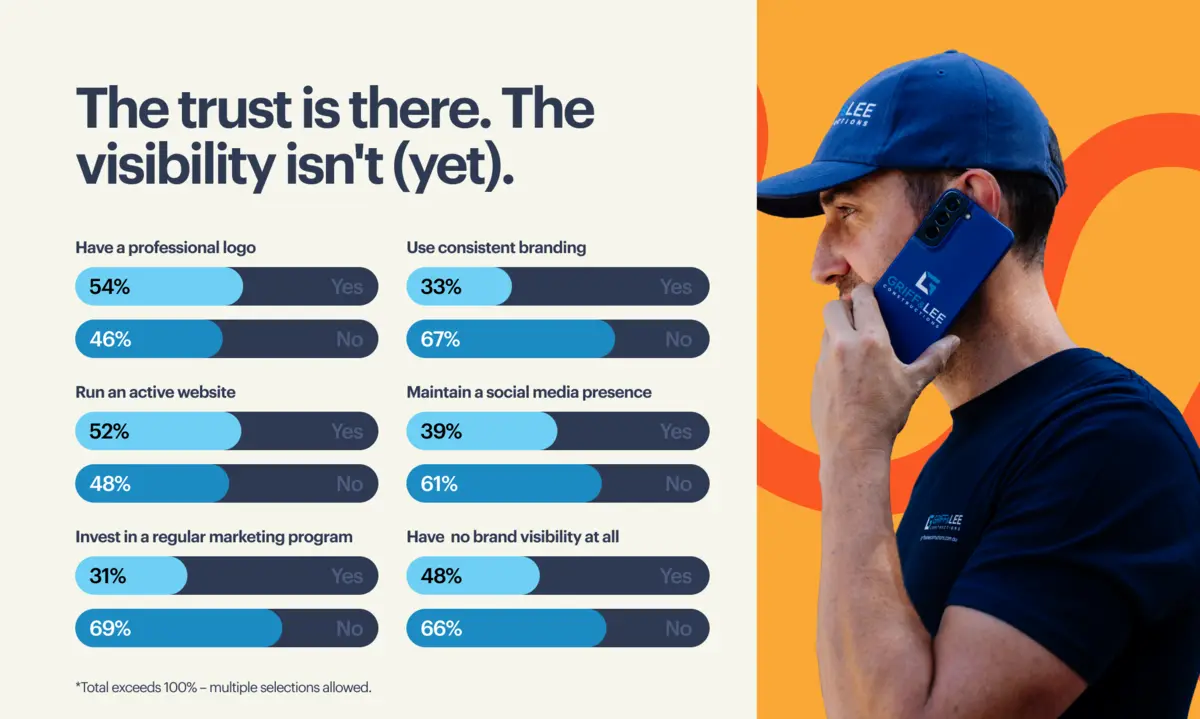
Branding and visibility remain weak points for many owners nearing retirement. More than two-thirds, or 67%, said they lacked consistent branding across signage, vehicles, uniforms or packaging.
Nearly one in five, or 18%, said they had no professional logo, website, social media presence or marketing programme. That can leave potential buyers with little evidence of how the business presents itself beyond the founder's standing in the market.
Marchant said the absence of visible branding can affect whether a business appears transferable. "If a buyer or successor can't find you, can't see what you stand for and can't evaluate what they'd be taking on, then they'll move on," he said. "Branding isn't vanity for these businesses. It's the difference between a business that can be handed over and one that closes when the founder walks away."
The figures also suggest owners see commercial value in improving how their business is presented. Fifty-nine per cent said refreshed branding would increase the value of their business, while 84% said branding would improve value or sale appeal.
There is also evidence of demand for continuity. More than six in 10 respondents, or 63%, said they want their business to continue beyond them. Among those actively considering an exit, 72% said they would invest in branding if it improved the outcome of a sale.
Family handover
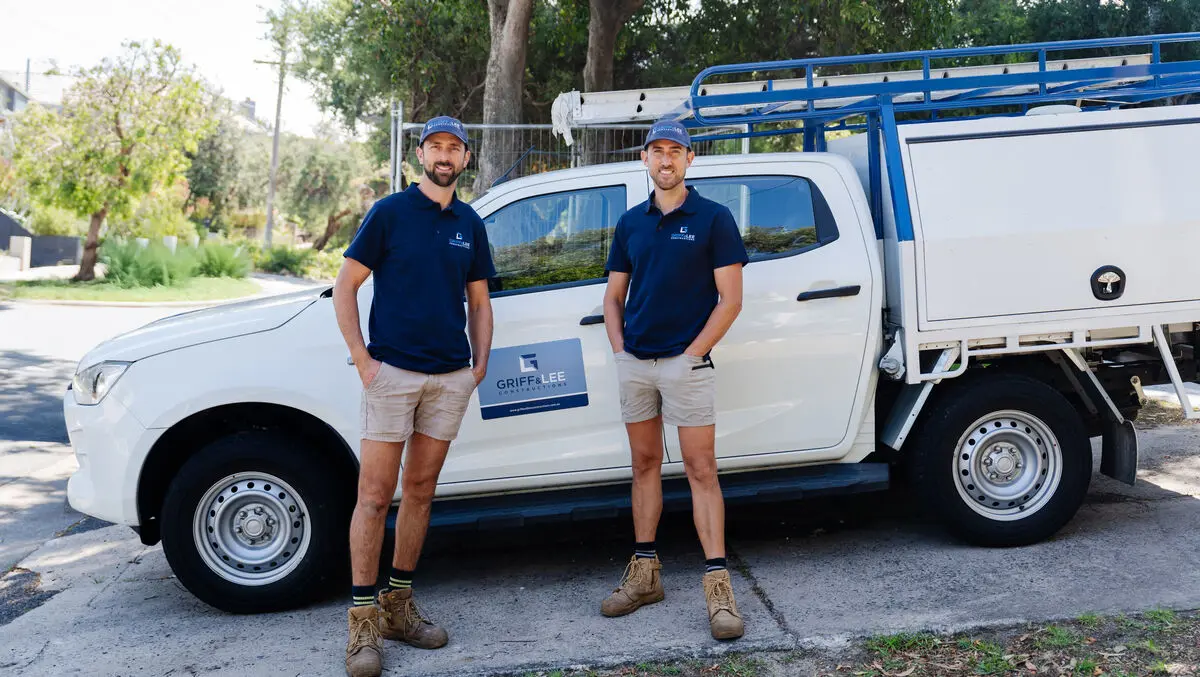
The research included an example of succession within a family business. Mark Griffiths and his brother Lee took over Melbourne-based Griff & Lee Construction from their father. Griffiths said the transition required the company to establish a clearer identity of its own.
"We'd worked alongside Dad for years, so we knew the trade inside out. But when we stepped out on our own, we realised his reputation didn't automatically transfer to us. We had to build our own identity from scratch: signage on the trucks, uniforms with a professional logo, and a website, so people could see we were a legitimate operation."
He said the changes altered how the business attracted work. "It's made a real difference. We're getting enquiries from people who found us online or saw our van on site. Dad mostly built his business on word of mouth and a phone number on the fridge, and that still works. But if you want to grow beyond the people who already know you, you need a new way for them to find you," Griffiths said.
Marchant said owners who start preparing earlier may retain more options when they decide to leave. "The owners who act now, documenting how the business runs, strengthening how it presents itself, will have more choices and better outcomes than those who leave it until it's too late," he said.