

ACAM launches AI programme for not-for-profit sector
Mon, 4th May 2026
The Australian Centre for AI in Marketing has launched a four-week online programme for not-for-profit organisations focused on the use of artificial intelligence, with support from IBM.
Called Unlocking the Power of AI for Good, the series is aimed at leaders in the social impact sector seeking to turn interest in AI into practical use. It focuses on how organisations can apply the technology in day-to-day work while addressing governance, ethics and trust.
The launch comes as charities and other not-for-profits face growing pressure to assess where AI could help improve services, communications and internal processes, while managing concerns about risk and oversight. ACAM said the sector still lacks enough clarity and confidence to use the tools responsibly.
Sector input
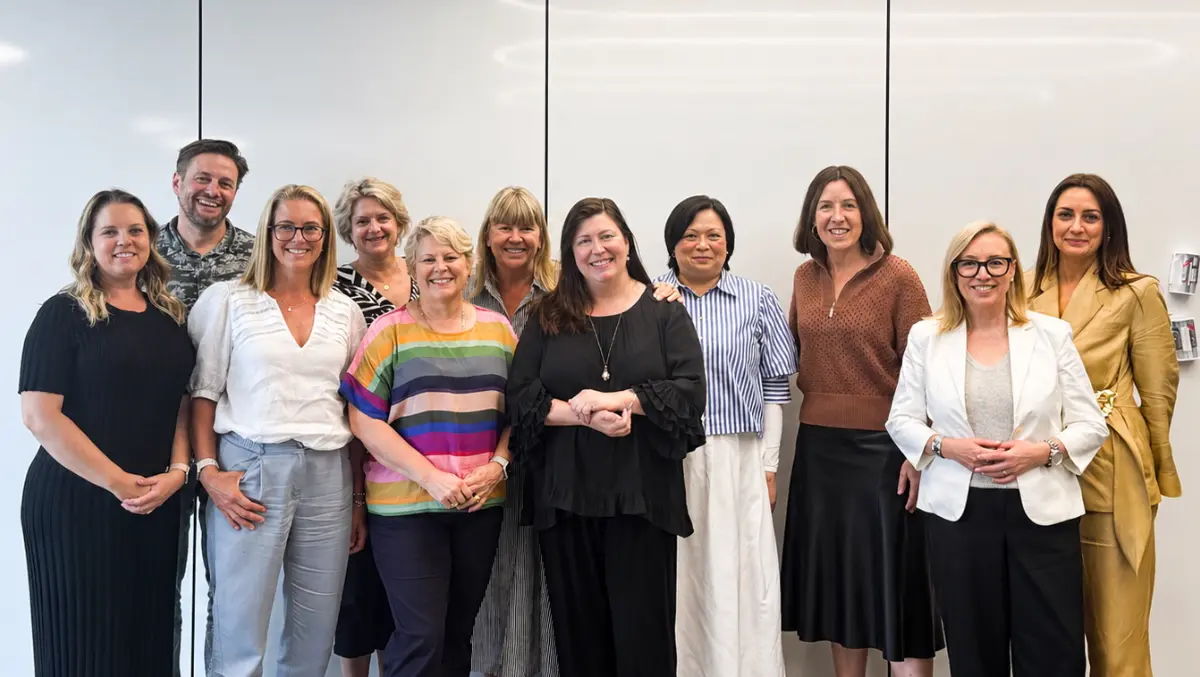
The programme was shaped through an AI for Good Think Tank convened by ACAM and made up of organisations from across the sector. Participants included Wayside Chapel, Gidget Foundation, Food Ladder, Pankind, Canteen, Variety - the Children's Charity, Black Dog Institute, Barnardos, Autism Awareness and Lifeline, with support from UNICEF Australia, World Vision and The Smith Family.
The approach reflects a broader effort to ground AI adoption in the day-to-day realities of organisations working directly with vulnerable groups, donors and service users. For many charities, the question is not only whether the technology can save time or improve decision-making, but whether it can be introduced without creating new forms of exclusion or harm.
Doug Taylor, Chief Executive Officer of The Smith Family, said: "AI presents a significant opportunity to better deliver the human outcomes not-for-profits are here for, but it also carries real risks if not applied thoughtfully. The focus must remain on using these tools to strengthen support for the people we serve, without creating further disadvantage."
The series is intended to help organisations move beyond broad debate and identify where AI may fit into existing workflows. It will cover practical use cases and responsible deployment rather than technical development.
Practical focus
Louise Cummins, Founder of the Australian Centre for AI in Marketing, said: "Through our AI for Good Think Tank it's become clear that while curiosity around AI is high across NFPs, there is still a real gap when it comes to applying it in practice in a way that aligns with purpose, ethics and trust. That gap matters, because it isn't just about adopting new technology, but about strengthening how organisations deliver impact in a world that is changing quickly. The challenge is no longer access to the technology, but knowing what to prioritise, what to say no to, and how to embed AI into real workflows that deliver outcomes."
Her remarks reflect a common issue in the sector. Many organisations have experimented with publicly available AI tools, but fewer have introduced policies, internal training or decision-making structures that would support wider use with confidence.
IBM's backing brings a large technology company into a programme otherwise positioned around sector-led design. For many organisations, the next step is moving from trial use to a more structured approach.
Miki Luong, Chief Marketing and Communications Officer at IBM ANZ, said: "AI adoption across the social impact sector is accelerating, but many organisations are still building the structures needed to use it effectively and responsibly. The opportunity now is to move from experimentation to capability, ensuring AI is applied in ways that are practical, ethical and aligned to real-world impact. IBM ANZ is proud to support this series and help drive AI knowledge across the social impact space."
Wider challenge
The programme highlights how AI is moving beyond commercial functions into areas such as fundraising, client engagement, content production and service delivery in the not-for-profit sector. That shift has increased demand for guidance tailored to organisations with limited budgets, lean teams and a duty of care to beneficiaries.
ACAM was established as a specialist centre focused on responsible AI adoption in marketing. Its work includes benchmarking, governance frameworks, executive education and community learning, placing the new not-for-profit initiative within a broader effort to build AI literacy and oversight.
The series will include examples and contributions from organisations including Food Ladder, The Smith Family, UNICEF and Kantar.